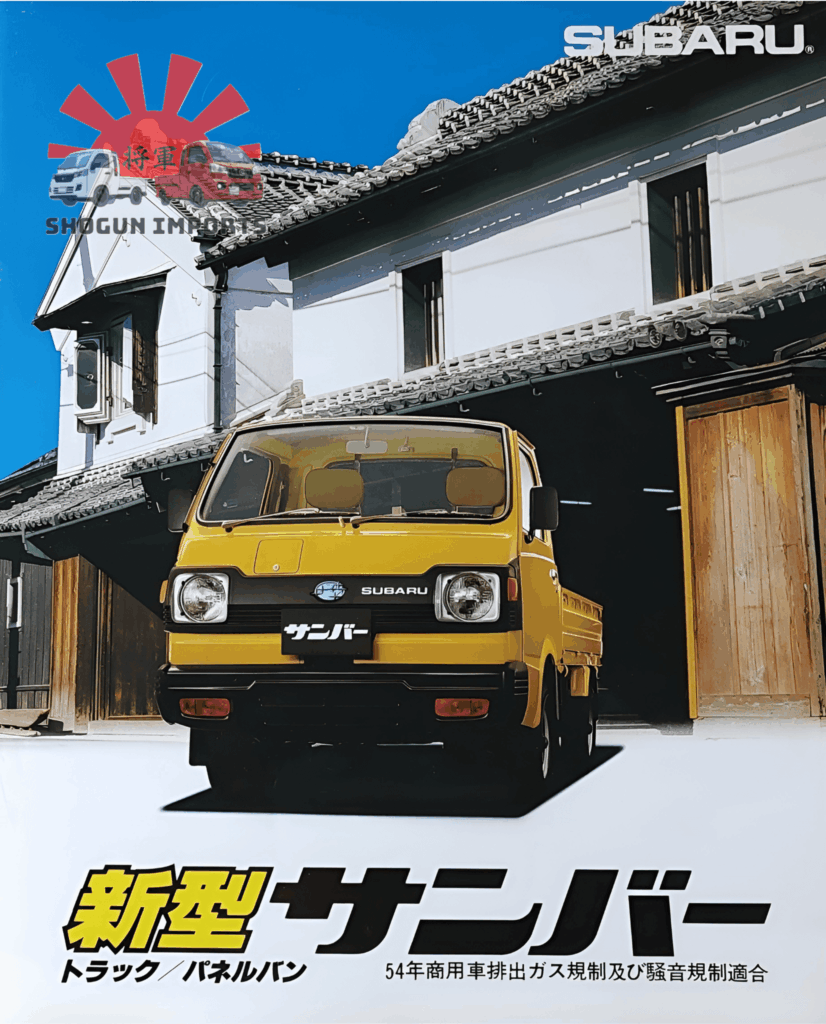
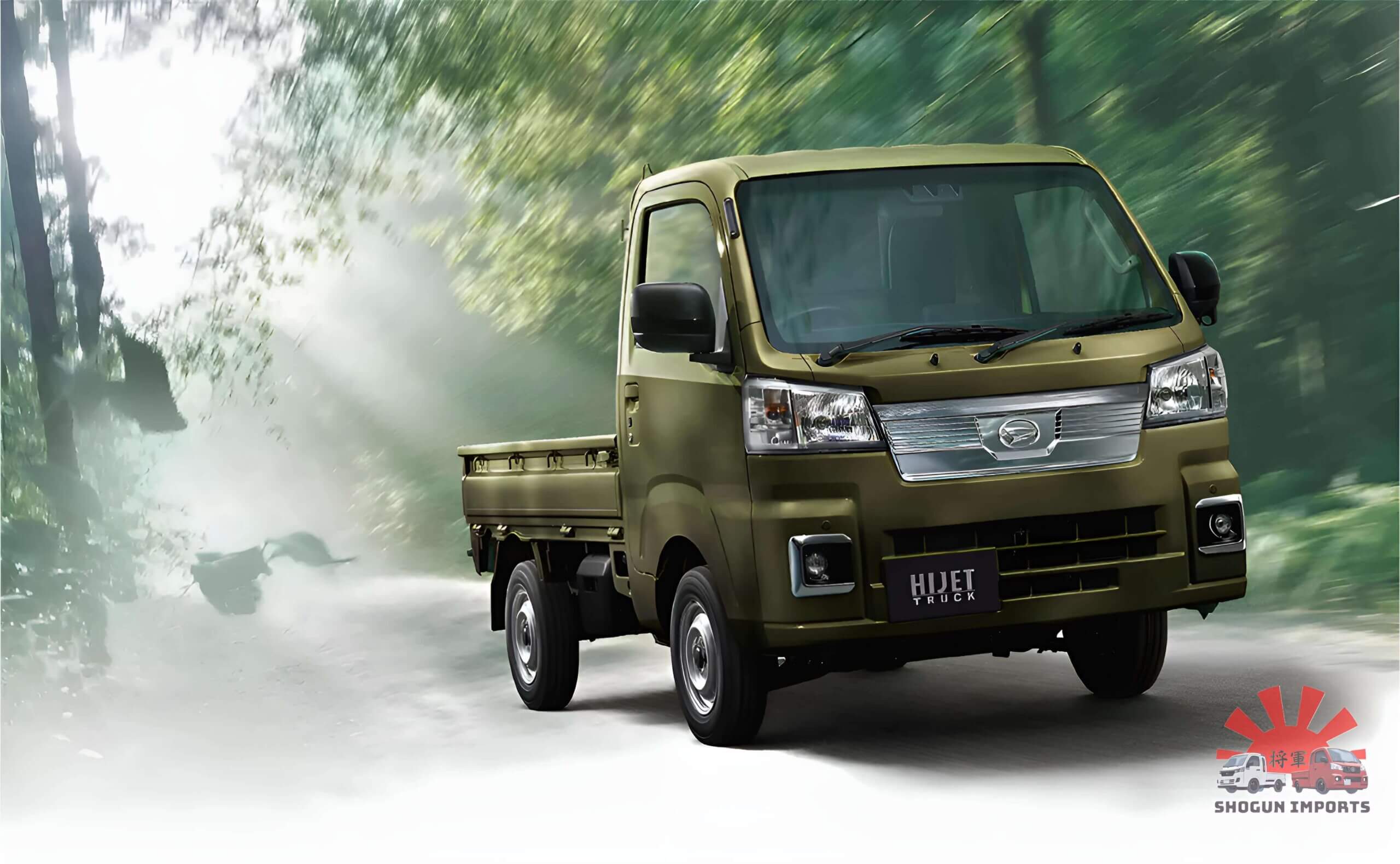
The first step in determining whether Kei trucks, also known as mini trucks, Kei vans, or Kei cars, are street-legal in your area, and how to title and register a Kei truck, is to understand federal regulations.
Kei trucks (mini trucks), vans, and cars that are more than 25 years old must meet safety and emissions standards set by the National Highway Traffic Safety Administration (NHTSA), the EPA, and the DOT. However, the 25-year rule exempts vehicles over 25 years old from these federal regulations.
Local Laws Regarding Kei Vehicles
Most states have laws allowing Kei vehicles to be used on the road, as described in the U.S. Regions guide. However, there are very few cities and counties with their own regulations. A few states, cities, or countries require safety and emission tests beyond federal regulations. If your state has no laws, you cannot register a Kei vehicle for road use through in-state registration.
Suppose your area does not allow 25-year-old Kei vehicles for road use. In that case, an alternative method is to use Dirt Legal's services to register a Kei truck as a road-legal vehicle, as described in the U.S. Regions guide below.
It's essential to keep in mind that DMVs are often misinformed. Before visiting your local DMV, you should understand the requirements for registering and titling your new Kei vehicle. Kei vehicles are typically classified as special vehicles, which can lead to confusion. Various factors can disrupt the computer systems at your local DMV, including the shorter Japanese VIN compared to a U.S. VIN or incorrect selections on forms.
U.S. Regions, Road legality States List
Northeastern
States
Midwest
States
Western
States
Southern
States
Registering & Titling An Imported Vehicle
Typically, the paperwork required for the registration and titling of a 25-year-old imported Kei trucks (mini trucks), vans, and cars includes the following.
The Japanese export certificate (which may also require a translated version and the original) is used to verify the vehicle's export status and confirm that it has been legally exported from Japan.
The bill of sale and invoice will verify ownership, the sale price, the names of the seller and buyer, and the sale date.
U.S. Customs Form 7501, the "Entry Summary." This form provides details from the importing and release of the vehicle by U.S. Customs and Border Protection.
The HS-7 Form is required to declare that an imported vehicle meets the federal motor vehicle safety, bumper, and theft prevention standards.
Additional paperwork from your import broker, local law enforcement inspections, safety and emissions inspections, and standards may apply depending on your location.

 by
by